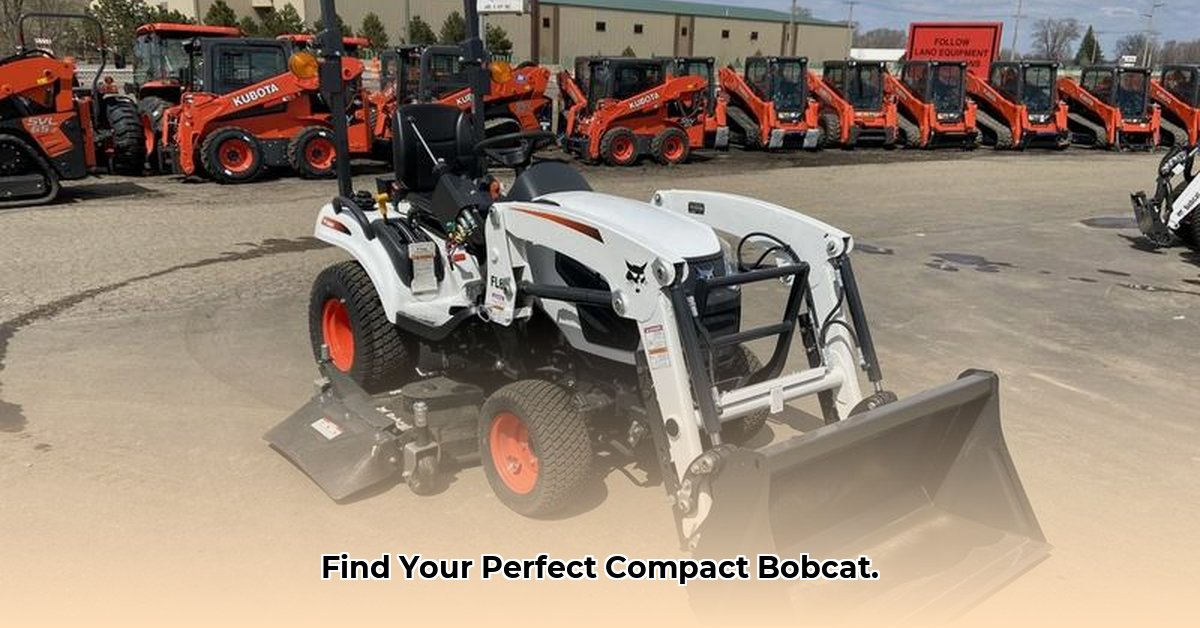
Understanding Bobcat Tractor Sizes and Capabilities
Choosing the right compact Bobcat tractor depends heavily on your needs. Bobcat offers several series, each designed for specific tasks. Think of it like choosing a car – a small sedan is different from a heavy-duty pickup truck. Larger numbers generally indicate larger, more powerful tractors, but this also means higher cost and greater maintenance needs. For more information on small tractors with loaders, see this helpful resource: small tractor loaders.
| Series | Horsepower Range (Approximate) | Typical Applications | Transmission Types | Size & Weight |
|---|---|---|---|---|
| 1000 | 21-25 hp | Small properties, light landscaping, hobby farms | Hydrostatic | Smaller, lighter; easier to maneuver |
| 2000 | 30-40 hp (Estimated) | Small farms, moderate landscaping | Likely Hydrostatic | Mid-size; good balance of power and maneuverability |
| 4000 | 45-58 hp | Larger properties, heavier tasks, agriculture | Hydrostatic, Manual/Synchro Shuttle | Larger, heavier; greater power |
| 5000 | 45-58 hp | Larger properties, heavier tasks, agriculture | Hydrostatic, Manual/Synchro Shuttle | Larger, heavier; greater power |
Important Note: Horsepower ranges are estimates. Always consult the specifications for the exact model you’re considering. Data on the 2000 series is limited, highlighting the need for thorough research before purchase. This lack of readily available information emphasizes the importance of contacting Bobcat dealers for precise details.
Key Features to Prioritize
Horsepower isn't the only factor. Consider these crucial elements:
Horsepower: Determines the tractor's power for various tasks. Heavier workloads require greater horsepower. Will you primarily be mowing or moving significant amounts of earth?
Transmission: Hydrostatic transmissions are automatic, offering smooth control, ideal for beginners. Manual/synchro-shuttle transmissions, similar to standard car transmissions, offer greater efficiency in certain applications but demand more operator skill. Which transmission best suits your experience level and operating conditions?
Lift Capacity: Crucial if you'll use attachments like loaders or backhoes. Ensure the tractor's lift capacity meets your needs. This is especially vital for heavier tasks like moving materials or operating implements.
Cab vs. Open Station: A cab offers weather protection. An open station provides better visibility. Climate and personal preference are determining factors.
Attachment Compatibility: Bobcat tractors are versatile. Check compatibility with the attachments you'll use (mowers, loaders, etc.). This ensures your tractor can perform all the necessary tasks.
A Step-by-Step Guide to Choosing Your Tractor
Follow these steps for a systematic approach:
Assess Your Needs: Honestly evaluate the jobs your tractor will perform. Property size, tasks, and budget are key considerations.
Compare Series: Use the table above to narrow your choices based on your needs. Consider size, horsepower, and typical applications.
Dive into Specifications: Research specific models, comparing horsepower, lift capacity, transmission type, and other crucial features.
Test Drive (if possible): Hands-on experience is invaluable. Test drive different models to evaluate their handling and performance.
Calculate Total Cost: Factor in ongoing costs such as maintenance, fuel, and potential repairs. This gives you a holistic understanding of the overall investment.
Potential Problems and Mitigation Strategies
Even reliable machines can encounter problems. Here’s how to mitigate common issues:
| Potential Problem | Likelihood | Severity | Mitigation |
|---|---|---|---|
| Hydrostatic Transmission Failure | Moderate | High | Regular maintenance, prompt repairs if needed |
| Overloading the Tractor | Low | Moderate | Proper training, careful load management |
| Attachment Compatibility Issues | Low | Moderate | Double-check compatibility before purchase |
Remember, thorough research and a realistic assessment of your needs are vital. This guide provides a solid foundation; however, consult additional resources and explore specific model details for informed decision-making. The landscape of agricultural technology is constantly evolving, so staying updated on the latest advancements is beneficial.